
The evolution of gambling A journey through history and culture
The evolution of gambling A journey through history and culture
The Ancient Roots of Gambling
Gambling has its origins in ancient civilizations, where evidence of games of chance dates back thousands of years. Archaeological findings reveal that dice, one of the earliest tools for gambling, were used in Mesopotamia around 3000 BC. These early forms of gambling not only served as entertainment but also played significant roles in social rituals and decision-making processes among tribes. Today, those interested in the thrill might explore online pokies, which reflect the modern evolution of this age-old pastime.

In ancient China, gambling was also prevalent, with records indicating that a lottery-like game was used to fund public projects. The games of the Greeks and Romans included betting on gladiatorial contests and chariot races, showing how deeply ingrained gambling was in the fabric of society. These early instances highlight how gambling transcended mere pastime, intertwining with cultural and societal norms.
The Middle Ages and the Rise of Formal Gambling
The Middle Ages saw a shift in gambling from informal gatherings to more structured games. As card games became popular in Europe, gambling establishments began to emerge. The introduction of regulated games laid the foundation for modern casinos, particularly with the establishment of gambling houses in cities like Venice and Paris. Here, players could wager on a variety of games in an organized setting.
This period also witnessed the emergence of lotteries as a means for governments to raise funds. The first official lottery was established in France in the 16th century, paving the way for a widespread phenomenon that would later span the globe. The fusion of gambling and government interests during this time helped shape attitudes toward risk and chance, further embedding gambling into culture.
The Global Spread of Gambling Practices
As colonization expanded during the 18th and 19th centuries, so did gambling practices. European settlers brought their games to new territories, leading to the establishment of unique gambling cultures worldwide. In North America, the influence of Native American gaming practices blended with European traditions, resulting in diverse forms of gambling that catered to various communities.
This period also saw the rise of horse racing as a popular betting sport, with the establishment of racetracks and betting parlors. The allure of these events attracted a wide array of participants, from casual bettors to professional gamblers, showcasing the multifaceted nature of gambling as both a leisure activity and a serious business.
The Modern Era: Regulation and Technological Advances
The 20th century marked a significant turning point for gambling, as countries began to recognize the potential economic benefits of regulating the industry. Legalization efforts led to the establishment of numerous state-run lotteries and casinos, contributing to substantial tax revenues. This shift in policy was driven by a changing public perception of gambling, which evolved from taboo to a legitimate form of entertainment.
Advancements in technology in the late 20th century, particularly the rise of the internet, revolutionized gambling once again. Online casinos and betting platforms emerged, providing players with unprecedented access to a vast array of games. This digital transformation has led to an explosion of new gambling experiences, expanding the reach of the industry and attracting a younger demographic.
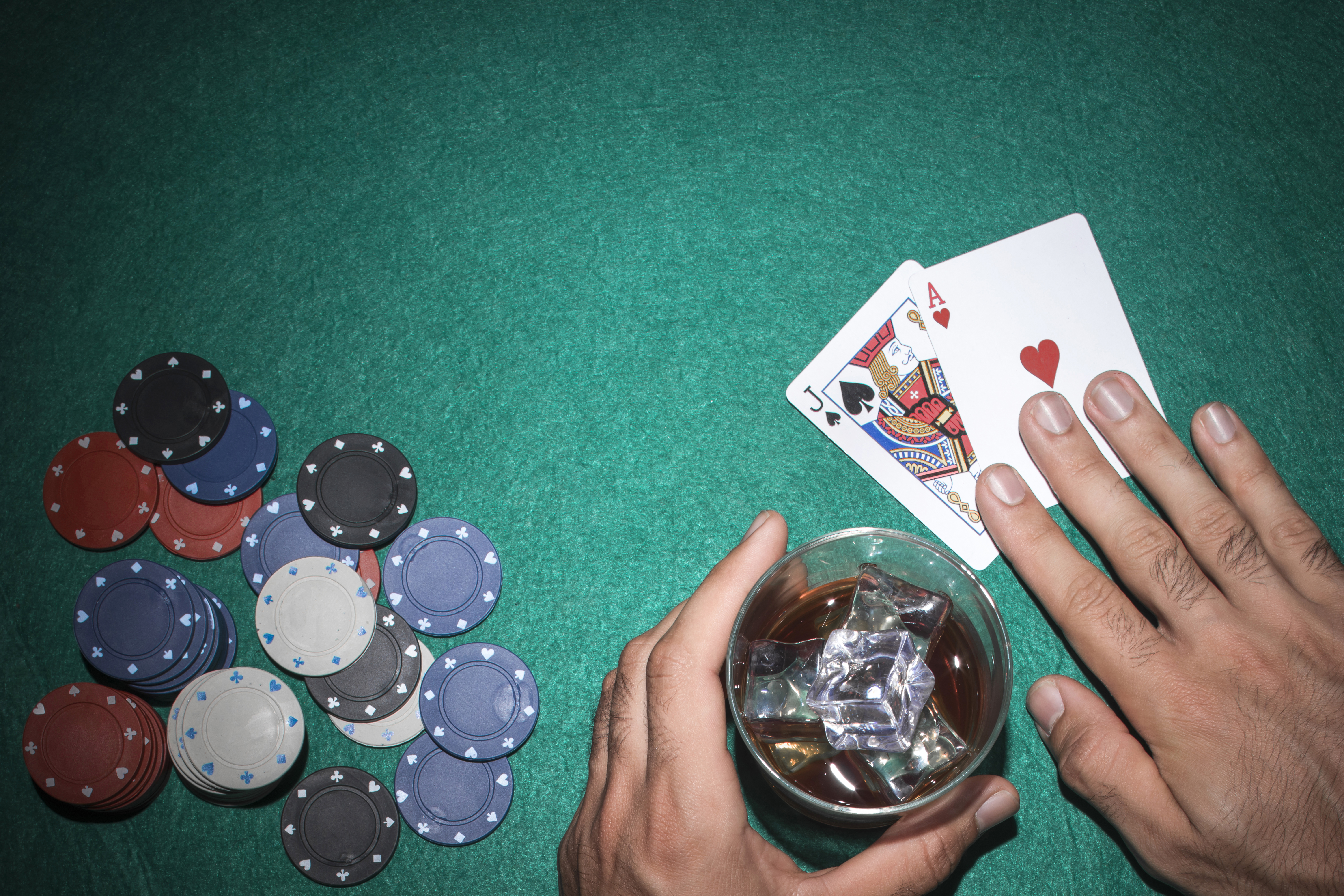
Connecting Through Culture: The Role of Gambling in Society
Gambling has not only evolved as a form of entertainment but has also become intertwined with various cultural practices. Different societies have adopted unique gambling traditions that reflect their values and histories. For instance, in many Asian cultures, games like Pai Gow and Mahjong are significant social activities that reinforce community bonds.
Furthermore, gambling has inspired literature, film, and art, showcasing its profound impact on popular culture. The portrayal of gambling in various media often highlights themes of risk, reward, and human behavior, underlining its role as a mirror reflecting societal dynamics. As we continue to navigate the complexities of modern gambling, its cultural significance remains ever-present.